







Continuing to build connection: How can we improve our health?
Over the past few years, many of us have felt a quiet shift. Fewer casual conversations. Fewer places to gather. Fewer opportunities to feel part of something larger than ourselves. In rural communities like Bragg Creek and Redwood Meadows, connection has always been a source of strength. When it begins to thin, it matters. As a registered nurse, a UCalgary professor, and a community member, I want to share why social connection is a public health issue and what we can do about it together.
What alarm bells are ringing?
Across Canada, we are seeing worrying signals in national health data. Statistics Canada’s Functional Health report shows increasing loneliness, declining mental wellbeing, and growing stress. Functional health, or a person’s ability to live well physically, mentally, and emotionally, has declined by 12% in Canada since 2015. The results show what many have noticed: our youth and young adults are particularly affected. This is not evidence of individual failure. It is an early warning system that tells us something in our social environment needs attention. Nursing has taught me to address these alarms to prevent a crisis.
Statistics Canada tracks this data for a reason. When large numbers of people report feeling isolated, unsupported, or overwhelmed, it predicts future challenges: mental health concerns, substance use, lower physical health, and diminished community resilience. Other countries that intentionally invest in social connection and community life are doing better. That tells us this is not inevitable.
It is changeable.
Why does isolation matter here?
Community health is intergenerational. In rural communities, isolation can be harder to see and no less real. Young people and young adults often face fewer informal gathering spaces, limited transportation options, and pressure to leave their home communities to build their lives. Digital connection cannot fully replace face‐to‐face belonging. When connection erodes, it affects mental health and whether young people see a future for themselves here. When youth feel disconnected, the whole community feels the impact.
How can caring for each other increase our resilience?
We are living in uncertain times. Many people are feeling pressure from forces beyond our borders, economic instability, and political polarization. In moments like this, our strength as Canadians and as rural communities comes from how well we look after one another. Communities with strong social ties are better able to withstand stress, adapt to change, and protect their members. Caring for each other is not a sign of weakness. It is how societies stay resilient, capable, and prepared for what comes next. When we invest in connection locally, we strengthen ourselves nationally.
How can we advocate for our health?
Health does not start in your local clinic. It starts with whether people can afford local housing, stay in their community as they age, earn a living wage, access a local recreation facility, and feel they belong. This is why engaging with municipal, provincial, and federal governments is part of public health. Decisions about land use, housing, transportation, recreation, and services shape health long before medical care is needed.
Advocacy is how communities hold decision‐makers accountable to the conditions that allow people to thrive. Speaking up, showing up, and staying engaged are acts of care for ourselves and for each other. I encourage you to get involved in helpful ways; be a citizen who asks questions such as:
How do everyday decisions about land use, transport, libraries, schools, and community spaces shape health?
Can volunteering help our health?
Research consistently shows that volunteering supports mental health for those receiving help and for those offering it. Volunteering builds purpose, connection, and a sense of belonging. It strengthens the social fabric that keeps communities healthy. In our area, there are many meaningful ways to be involved. Helping Hands Cochrane and Area is one. Helping Hands volunteers support neighbours, youth, seniors, families, and community members in ways that are often invisible and essential. When people participate, communities become more resilient. No one must do everything. Everyone can do something.
To register as a volunteer, please go to the Helping Hands website (helpinghandscochrane.ca).
We can move forward together.
Improving community health does not require grand gestures. Nor is it something we can postpone or outsource. It starts with paying attention, increasing connections, and caring for one another guided by evidence and grounded in relationship. This moment calls for us to step in because we are capable. The Bragg Creek and Redwood Meadows Wellness Network supports these conversations, connections, and community health. However, the real strength has always lived within our community.
If you have been wondering whether you belong or how you can address the suffering you see, now is the time to step in. You are needed; you are welcome.
www.bcrmwellness.ca to get involved.
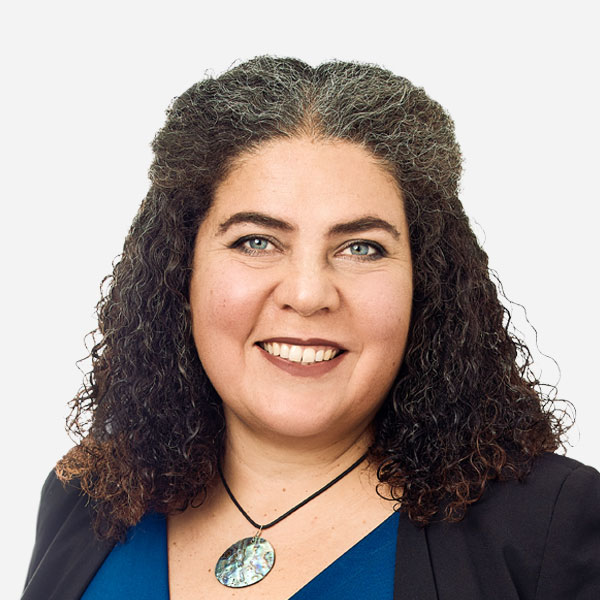
Shannon Parker MN RN, co-chair Co-chair, Bragg Creek and Redwood Meadows Wellness Network








 Free Classifieds