







Radon is an invisible, odourless radioactive gas produced naturally as uranium breaks down in soil and rock. Across Alberta— where many homes include basements and modern construction increasingly prioritizes energy efficiency—radon can accumulate indoors and reach levels that increase the risk of radon-related lung cancer. The encouraging reality is that radon exposure is both measurable and fixable, making testing and mitigation powerful acts of prevention that help reduce lung cancer risk.
According to Health Canada, radon exposure is the second leading cause of lung cancer overall and the leading cause among people who have never smoked. Because radon cannot be seen or smelled, most homeowners have no idea whether their homes have elevated levels unless they test. Two neighbouring homes can show dramatically different readings due to differences in soil conditions, construction methods, foundation sealing, and ventilation patterns.
In Alberta, testing results show that radon exposure is a widespread issue. Research indicates that approximately one in six Alberta homes exceed the Canadian radon guideline of 200 Bq/m3, the level at which mitigation action is recommended. Even more concerning, studies show that roughly half of homes tested in Calgary and surrounding areas exceed the World Health Organization recommended level of 100 Bq/m3, meaning many homes may still pose an increased long-term risk even if they fall below the Canadian action threshold.
National radon awareness initiative Evict Radon has contributed significantly to understanding how radon varies between communities and housing types. Their research highlights that acreage and rural homes often show higher radon levels than urban homes, partly because these houses tend to be larger, sit directly on soil with greater foundation surface area, and often have construction features or ventilation patterns that allow more soil gases to enter. Rural properties may also lack the same municipal infrastructure or soil disturbance patterns found in dense urban development, further affecting radon movement.
The key message emerging from this research is that radon risk is not limited to older homes or specific neighbourhoods. New homes, renovated homes, and well- maintained homes can all experience elevated radon levels. Testing is therefore the only reliable way to determine risk.
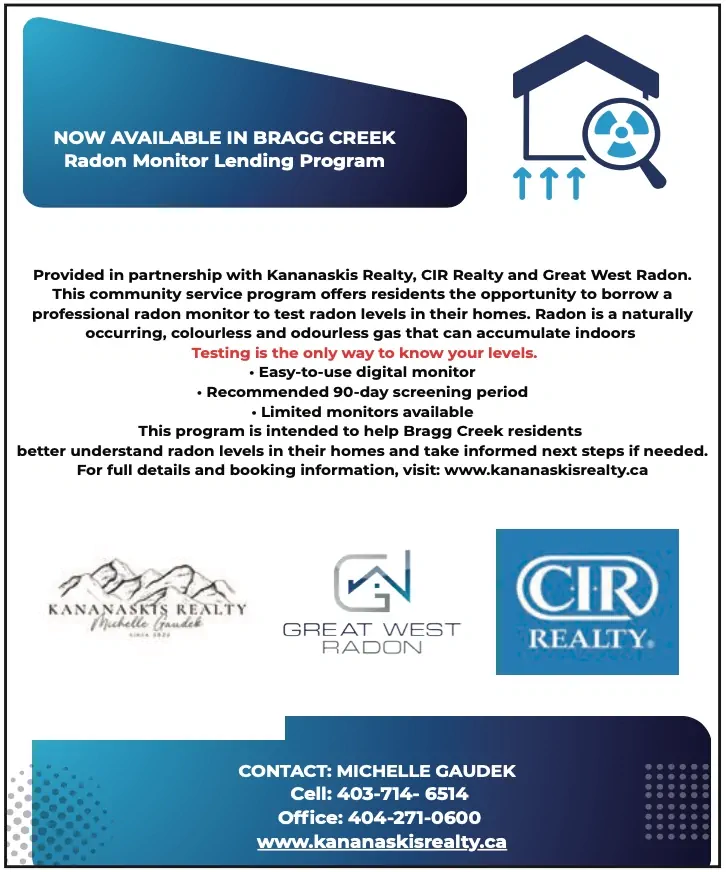
Long-term radon testing is simple and affordable. A small device is placed in the lowest lived-in level of the home for an extended period—often around three months—to measure average radon concentration. Because radon fluctuates daily and seasonally, longer testing periods provide more accurate results and better guidance on whether action is needed.
If elevated levels are found, mitigation systems can effectively reduce radon concentrations. Modern mitigation typically involves safely venting radon gas from beneath the home before it can enter living spaces, along with sealing key entry points to improve performance. When professionally designed and installed, mitigation systems significantly reduce radon exposure and help maintain safer indoor air over time.
Radon mitigation should be viewed similarly to other home safety improvements—like installing smoke alarms or maintaining heating systems. It is a proactive step that protects long-term health. Importantly, mitigation also increases peace of mind and can be beneficial when buying or selling a home, as awareness around radon continues to grow.
Ultimately, radon testing and mitigation are about prevention. Lung cancer caused by radon exposure develops after years of inhalation, meaning action taken today protects families well into the future. Alberta homeowners have a clear opportunity to reduce risk through testing and, when needed, mitigation. By understanding local statistics, recognizing that acreage and suburban homes may face higher exposure, and taking practical steps to address the issue, families can make informed decisions that contribute to healthier homes and communities across the province
Click to enlarge images









 Free Classifieds