









The Point of Relief: Needling Techniques in Physiotherapy
Happy spring, readers! As we settle into the season, I hope you’re finding time to enjoy the longer, brighter days. In this month’s article, I’ll be exploring needling techniques used in physiotherapy practice. As always, this is a broad overview and not intended as medical advice. My goal is to highlight some of the key nuances between the various “dry needling” approaches you may encounter.
One question that comes up frequently is: what’s the difference between acupuncture and dry needling?
To answer that, we need to take a step back. “Dry needling” is actually a broad umbrella term used to distinguish non- injection needling from injection-based procedures (such as IVs or vaccinations). It refers to the use of thin, solid needles that do not inject or remove substances. Under this umbrella fall a variety of techniques, including acupuncture, intramuscular stimulation (IMS), functional dry needling, and trigger point dry needling (to name a few).
This is where confusion often arises. In physiotherapy, “dry needling” typically refers to techniques grounded in a Western medical approach, while acupuncture is rooted in Eastern medicine. Although they may appear similar (i.e., both involve inserting fine needles into the body to help relieve pain and improve function) their underlying philosophies, techniques, and clinical applications differ.
Acupuncture is based on traditional Chinese medicine and centers around the concept of “Qi”, a form of life energy believed to flow through pathways in the body called “meridians”. Disruptions in this flow are thought to contribute to illness or dysfunction. Acupuncture aims to restore balance by targeting specific points along these meridians, and has historically been used to address a wide range of conditions, from pain to fertility to digestion and sleep concerns.
Some physiotherapists are trained in acupuncture; however, this does not make them acupuncturists. Acupuncturists are distinct regulated healthcare professionals. Physiotherapists who incorporate acupuncture into their practice typically apply it in the context of musculoskeletal care.
In contrast, dry needling techniques commonly used in physiotherapy are based on Western medical principles, with a focus on anatomy, physiology, and evidence informed practice. Rather than targeting energy pathways, these techniques focus on muscles and nerves. In the context of physiotherapy, you may hear terms such as IMS, functional dry needling, or trigger point dry needling. These reflect different training approaches and philosophies depending on the practitioner’s post- graduate education.
In practice, dry needling in physiotherapy often involves identifying specific muscles or nerve-related targets and inserting a needle into the affected area. Depending on the practitioner’s training, treatment may focus on a single muscle or follow broader nerve patterns. Techniques can vary. Some practitioners use a “pistoning” method to elicit a muscle twitch response, while others may leave needles in place for a period of time, sometimes adding gentle stimulation such as twisting/ flicking or electrical current. In other cases, the needle may be inserted briefly and removed immediately after achieving the desired response.
As with any treatment, your physiotherapist will complete a thorough assessment, a discussion of potential risks and benefits, and obtain informed consent before proceeding. The decision to include needling as part of your care depends on your condition, goals, preferences, and your physiotherapist’s training.
The physiotherapists at Bragg Creek Physiotherapy are certified to complete dry needling. Steve Resta has completed Gunn IMS training. Breanna Maughan is certified through On Point Needling. Jennifer Gordon has completed Gunn IMS training and holds additional certification in acupuncture through the Acupuncture Foundation of Canada Institute. While the approaches may differ, the focus remains the same: helping you move better, feel better, and get back to the activities you enjoy. As always, we are here to support and guide you through your options, in a way that feels comfortable.
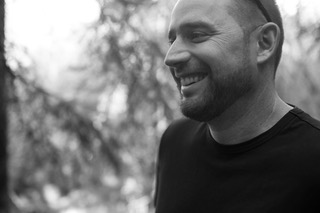
Bre Maughan
Registered Physiotherapist (MScPT, BScKin)
Bragg Creek Physiotherapy
www.braggcreekphysio.com







 Free Classifieds