






A Toast to Women Who Shaped the World of Wine
March brings International Women’s Day, and in true Saint fashion, I love to reflect on the individuals who shape the industries we value. In wine, women have played a defining role in advancing technique, strengthening sustainability practices, and elevating hospitality across generations and continents.
One of the most recognized historical figures is Barbe-Nicole Ponsardin, better known as Madame Clicquot. In the early 1800s, she assumed leadership of her Champagne house and refined the process of riddling, a technique that allows sediment to collect in the neck of the bottle for removal. This advancement helped define the clarity and brilliance that became synonymous with Champagne and she is credited with producing the first iteration of rosé Champagne as well. Her focus on export markets and brand building also positioned her house as an international benchmark, demonstrating both technical skill and commercial foresight.
In Burgundy, Lalou Bize-Leroy has shaped conversations around biodynamic viticulture and terroir expression. Through Domaine Leroy, she has emphasized meticulous vineyard management, low yields, and minimal intervention in the cellar, influencing fine wine production far beyond France.
Canada’s modern wine identity has also been guided by remarkable women. In the Okanagan Valley, Heidi Noble of JoieFarm has built a portfolio known for precision and thoughtful blending. Drawing inspiration from Alsace and the Rhône, her wines demonstrate balance, aromatic clarity, and a European sensibility adapted to Canadian terroir. JoieFarm has become a reference point for how Canadian wineries can express both place and polish.
Ann Sperling of Sperling Vineyards has long been a leader in organic and biodynamic farming in Canada. Her work emphasizes soil health, biodiversity, and site transparency. Over the course of her career, she has helped multiple estates transition toward sustainable viticulture, contributing to a broader national conversation about responsible farming and long term vineyard stewardship.
Beyond individual estates, women across Canada now lead winemaking teams, manage vineyards, direct quality control programs, and shape export strategy. In regions such as Niagara, the Okanagan, and the Similkameen Valley, their influence can be seen in the rise of cool climate varietals, refined sparkling wine programs, and an increasing focus on site specific expression.
Globally and domestically, the contributions of women in wine are technical as much as creative. They have advanced fermentation practices, improved vineyard management, strengthened sustainability initiatives, and elevated how wine is presented and shared. As we mark International Women’s Day this March, exploring the stories behind the bottles we enjoy adds another layer of appreciation. Understanding who guides the vineyard decisions, oversees harvest, crafts the blend, and leads the business brings depth to every glass.
The history of wine is long and continually evolving. Women have been instrumental in shaping that evolution, contributing expertise, innovation, and thoughtful leadership that continue to define the industry today.
As someone working in the wine industry, I feel fortunate to experience these wines firsthand and to witness the care behind them. Tasting through portfolios, visiting vineyards, and sharing bottles with guests and clients connects me directly to the people who craft them. Being a woman in wine today means participating in a community built on knowledge, curiosity, and collaboration. It is a privilege to pour wines shaped by such thoughtful leadership and to contribute, in my own way, to the evolving story of this industry.
Cheers!
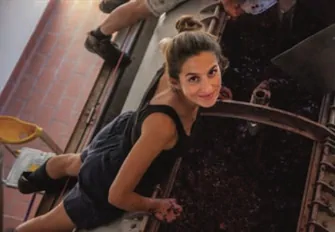
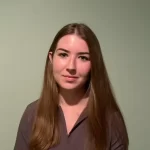
Chiara Condello, winemaker from Emilia-Romagna for Condé
Photo Credit: Chiara Condello, @chiaracondello
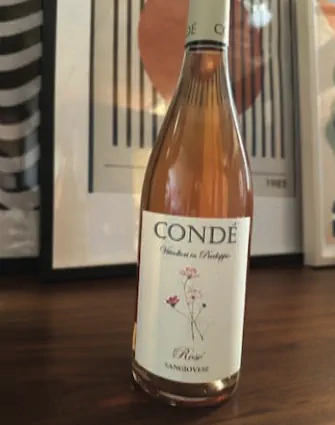
Condé Rosé Sangiovese, imported by 2851 Selections
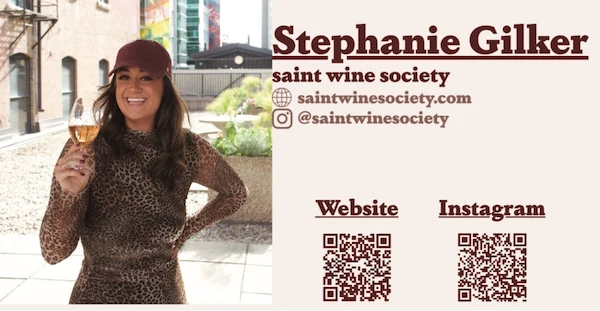
Stephanie Gilker is the founder of Saint Wine Society, curating polished wine tasting experiences and Champagne service across Alberta. She holds WSET Level 3, French Wine Scholar, and Master of Champagne certificates, bringing expertise, creativity, and elegance to every glass.
Article Sources: Wines of British Columbia producer profiles and industry reports, Wine Enthusiast Magazine, features on women in global wine leadership, Robinson, Jancis. The Oxford Companion to Wine, 4th Edition, Wines of British Columbia producer profiles and industry reports.
Photo Credit: Stephanie Gilker








 Free Classifieds