









Weight Loss Injections Follow-up Q&A PART 2
GLP-1 medications are no longer a quiet medical tool. They’re front-page headlines, trending on social media, and reshaping how we think about weight loss. But what exactly are they? Originally developed to treat type 2 diabetes, GLP-1 receptor agonists work by mimicking a natural gut hormone that regulates appetite, blood sugar, and insulin response. For many women in midlife and menopause, when metabolism shifts and stubborn weight gain feels inevitable, these medications have become a powerful new option. Yet the prescription is only part of the story.
In this article, Dr. Peter, from Calgary MediSpa and Family Medical Centre, continues the conversation with a practical Q&A focused on what really matters beyond the prescription: how to support your body with the right nutrition, what drives long-term success, and why weight regain can happen. Whether you’re just learning about GLP-1s or already using one, this guide is designed to help you understand how to get results that last.
1. How important are diet and exercise when someone is using a GLP-1?
Dr. Peter: Let me be crystal clear: GLP-1 medications are tools, not magic bullets. Here’s what the research shows—and what I see daily in my practice:
- Protein is NON-NEGOTIABLE: You need 1.6-2.2g per kg of ideal body weight daily. For a 150-pound woman, that’s 110-150g of protein daily. Why? Because when you lose weight rapidly, your body doesn’t distinguish between fat and muscle—it burns both. Adequate protein signals your body to preserve muscle.
- Resistance training 2-3x weekly: This is the difference between losing 30 pounds of fat versus losing 20 pounds of fat and 10 pounds of muscle. Muscle loss destroys your metabolism and makes regain inevitable.
- Daily movement: Even 7,000-10,000 steps improves insulin sensitivity independent of weight loss.
I’ve seen women lose 40 pounds on GLP- 1s but become WEAKER because they didn’t lift weights or eat enough protein. They looked smaller but felt worse —low energy, poor strength, sagging skin.
2. Can someone lose weight on a GLP-1 but still harm their health if they don’t train or eat properly?
Dr. Peter: Absolutely—and this is my biggest concern as a physician. Here’s the danger: If you lose weight without protecting muscle mass, you’re setting yourself up for:
- Metabolic damage: Losing 10 pounds of muscle can drop your resting metabolic rate by 500 calories daily—making regain almost inevitable.
- Sarcopenic obesity: You look thinner but you’re actually ‘skinny fat’—less muscle, weaker bones, poor metabolic health.
- Bone density loss: Especially critical for menopausal women already at risk for osteoporosis.
- Functional decline: Difficulty climbing stairs, carrying groceries, maintaining independence as you age.
I had a patient lose 35 pounds on semaglutide but couldn’t get up from a chair without using her arms because she lost so much leg muscle. We had to pause medication and rebuild her strength.
The goal isn’t just a lower number on the scale—it’s a HEALTHIER, STRONGER, more functional body.
3. If someone stops using a GLP-1, will the weight automatically return?
Dr. Peter: The honest answer: for most people, yes—unless they’ve addressed the underlying drivers.
The STEP-1 trial showed that within one year of stopping semaglutide, participants regained about two-thirds of their lost weight. Why?
Because obesity is a chronic disease. It’s not a moral failing or lack of willpower—it’s a biological condition involving:
- Dysregulated appetite hormones (leptin, ghrelin)
- Altered brain reward pathways
- Metabolic adaptations that defend your previous weight
- Environmental and behavioral factors
Think of it like this: If someone with high blood pressure stops their medication, their blood pressure returns. Same principle.
However, weight regain ISN’T inevitable if you:
- Continue strength training (protects metabolic rate)
- Maintain high protein intake (1.6g/kg minimum)
- Manage sleep and stress (controls appetite hormones)
- Consider maintenance dosing or cycling protocols
- Have ongoing medical support and accountability
GLP-1 medications can be incredibly effective—but the bigger conversation is about how and for how long they fit into someone’s health journey. In the next article, Dr. Peter dives deeper into the most common questions patients are asking now: how GLP-1s are used short-term versus long-term, how they may work alongside hormone replacement therapy, and what predicts long-term success. If you’re looking for clarity, personalization, and informed decision-making—not hype—the next Q&A will help connect the dots.
If you’re a menopausal woman struggling with weight despite doing everything ‘right’—or if you’re considering GLP-1 therapy but don’t know where to start— Dr. Peter and his team at Calgary MediSpa are here to help.
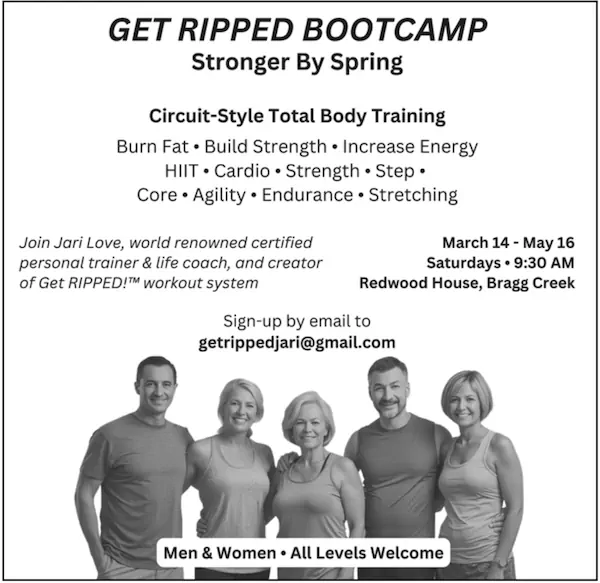
Jari Love is a certified trainer and creator of the successful scientifically tested Get RIPPED!® series. You can learn more about Jari Love at www.jarilove.com. You can follow her on Facebook at @JariLoveFitness and at @rippedjari on Instagram.
















 Free Classifieds