









What Makes Wine Feel Like Summer?
Every year around this time, wine drinkers instinctively reach for rosé. And while I appreciate a crisp glass on a sunny patio, I’ve always found it interesting that we tend to define summer wine by colour rather than character. Because what actually makes a wine feel like summer?
Some wines seem made for long evenings outdoors, fresh food, and conversation that continue well after sunset. Others feel more suited to colder months and heavier meals. The difference has less to do with temperature and more to do with energy. Summer wines are refreshing, but not always for the reasons people think. Acidity is often the secret.
High-acid wines create a mouthwatering sensation that keeps you coming back for another sip.
They feel vibrant and alive and they naturally complement warm weather and seasonal ingredients, this is why varieties like Albariño have become some of my favourite summe recommendations. Grown along Spain’s Atlantic coast, Albariño often shows citrus, stone fruit, and a distinct saline quality that feels almost like a sea breeze in a glass and is one of the most versatile food wines you can open during the summer months.
Txakolina from Spain’s Basque Country, is one of the most underrated summer wines in the world. Typically low in alcohol with bright acidity and a gentle spritz, it is a wine that practically demands sunshine, seafood, and good company.
Greece has indigenous varieties that I always recommend for summer sipping. Assyrtiko, particularly from Santorini, delivers citrus, minerality, and remarkable acidity. These wines somehow manage to feel both powerful and refreshing at the same time. There is often a subtle saltiness that makes them exceptional alongside seafood, grilled vegetables, or simply enjoyed on their own.
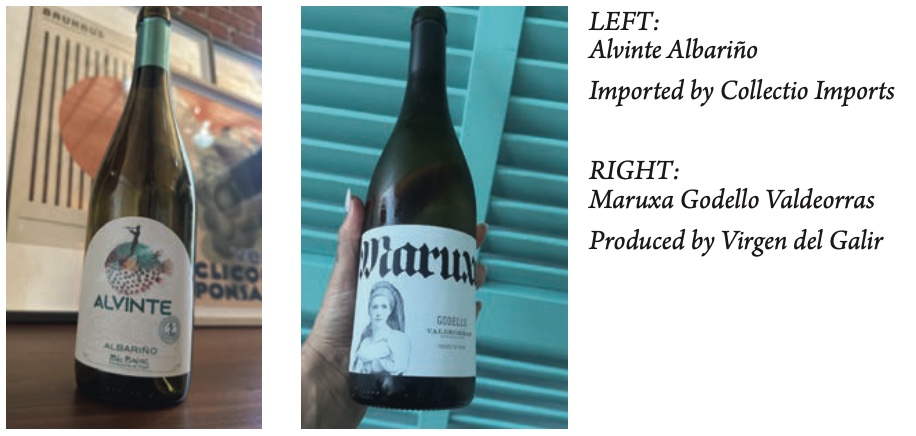
If Albariño tastes like a coastal breeze, Assyrtiko feels like standing on a rocky shoreline with salt in the air.
While Champagne often receives the spotlight, summer is an excellent time to explore alternatives such as Cava and Crémant. Both deliver freshness, energy, and versatility at a fraction of the price. They are equally comfortable alongside oysters, potato chips, fried chicken, or a backyard barbecue.
Of course, no discussion of summer wine would be complete without rosé, but I beg you to look beyond Provence. One of my favourite alternatives comes from Austria, where producers create rosés that combine freshness with a little more substance. Often made from Zweigelt, these wines offer bright red berry fruit, lively acidity, and enough character to move comfortably from an afternoon patio to the dinner table. They are less about sipping poolside and more about sharing over a meal, which is exactly how I prefer to drink rosé.
Perhaps the biggest misconception about summer wine is that red wine should disappear entirely until fall. Some of the most enjoyable summer bottles are actually reds served with a slight chill.
Beaujolais, Loire Valley Cabernet Franc, and lighter styles of Pinot Noir become completely different wines after twenty minutes in the refrigerator. The fruit becomes more vibrant, the structure softens, and the wine feels remarkably refreshing on a warm evening.
Ultimately, the wines that feel most like summer share a few common qualities. They are energetic rather than heavy. They refresh without being simple. They reflect places where people naturally gather around food, conversation, and long evenings outdoors.
Whether it is a coastal Albariño from Spain, an Assyrtiko from Greece, an Austrian rosé, a bottle of Txakolina, or a chilled red shared among friends, summer wines are less about style and more about feeling.
Cheers!
Stephanie Gilker is the founder of Saint Wine Society, curating polished wine tasting experiences and Champagne service across Alberta. She holds WSET Level 3, French Wine Scholar, and Master of Champagne certificates, bringing expertise, creativity, and elegance to every glass.
Photo Credit: Stephanie Gilker















 Free Classifieds