









More Than Just a Crush: The Serious Side of Rosé
February has a way of insisting on romance. Hearts appear in shop windows, prix-fixe menus promise candlelight, and suddenly pink becomes a personality trait. It is the month of Valentine’s, which makes it the perfect time to talk about rosé. Not the saccharine, sugar-water blush of decades past, but the real thing. Dry, expressive, serious, and endlessly versatile. I spent the summer testing a ton of rosé wines to find the best varietals and styles from different regions and Valentine’s is the perfect time to share my results!
At its core, rosé is made from red grapes, with just enough contact between juice and skins to tint the wine pink. The longer the skins macerate on their skins, the deeper the colour and often the structure. In Provence, that contact might be only a few hours, producing pale, light wines that taste of strawberry, citrus, and watermelon. In Tavel, in the southern Rhône, the skins macerate longer, resulting in a bold, almost ruby-hued rosé with body, spice, and the confidence to stand up to grilled meats. Tavel is powerful and drinks more like a light red than a poolside sipper. I especially love the rhubarb and blood orange notes you’ll find in Tavel rosé.
Another method of rosé production is saignée, meaning “to bleed.” Winemakers draw off a portion of juice from red wine early in fermentation. That juice becomes rosé, often darker and more intense, while the remaining red becomes more concentrated. These rosés tend to be structured, gastronomic, and quietly serious.
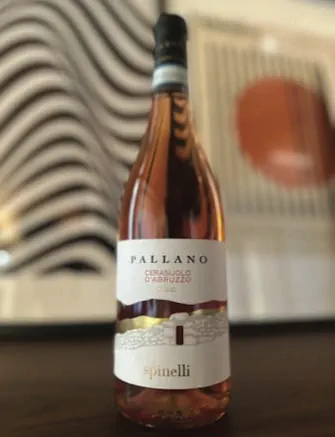
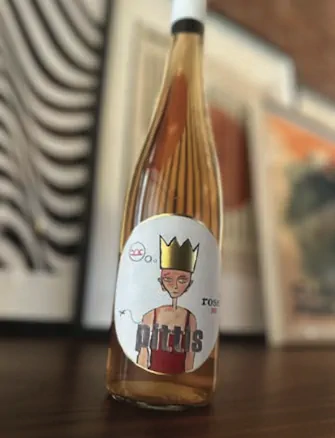
My favourite find this summer was the Pittnauer Konig rosé from Austria. In Austria, rosé often leans on indigenous grapes like Zweigelt, Laurent and Blaufränkisch, producing wines that feel alpine and electric. Bright cherry, orange, cranberry and crisp acidity. In Abruzzo, Italy, Cerasuolo d’Abruzzo offers one of the world’s most misunderstood styles. Deep pink, almost coral in colour, with notes of sour cherry, almond, and crushed rock. It is soulful and wildly food-friendly. These are rosés with backbone, built for tables, not just patios.
Before it was a symbol of celebration, Champagne was chaos. Bottles exploded, fermentation stalled, and consistency felt impossible. Enter Madame Clicquot. She invented the riddling table, allowing sediment to collect neatly in the neck of the bottle, creating clarity and brilliance. She also perfected rosé Champagne by blending still red wine into white base wine, giving birth to a style that is both precise and expressive. Today, rosé Champagne is the ultimate paradox. Delicate in colour, powerful in presence. Notes of wild strawberry, citrus peel, rose petal, and brioche, all riding on the spine of electric acidity.
Rosé is often dismissed as seasonal, frivolous, or simple. In truth, it is one of the most versatile categories in wine. It bridges white and red. It adapts to mood, menu, and moment. It can be playful or profound. It can flirt or linger.
I love Valentines Day, though to be honest I like any excuse to celebrate with wine. Sometimes romance is a chilled bottle on a Tuesday night. In every shade of pink, rosé reflects what love actually looks like: layered, surprising, and impossible to reduce to a single definition. Happy Valentines from Saint!
Cheers! Stephanie Gilker
Imported by Salivate Wine Consulting
Stephanie Gilker is the founder of Saint Wine Society, curating polished wine tasting experiences and Champagne service across Alberta. She holds WSET Level 3, French Wine Scholar, and Master of Champagne certificates, bringing expertise, creativity, and elegance to every glass.
Article Sources: Wine Folly, French Wine Scholar
Photo Credit: Stephanie Gilker














 Free Classifieds